Felon friendly jobs are roles with employers that will consider people with a felony record, mostly in warehouses, logistics, restaurants, retail, construction, manufacturing and the skilled trades. Large companies such as Walmart, Home Depot and UPS turn up on most lists, but whether you are hired depends on the job, the offence and how long ago it was. Fair chance laws, free employer bonding and local reentry services all improve your chances.
What makes a job felon friendly
A felon friendly job is one where a conviction is not an automatic bar, so the employer looks at your skills first and judges your record against the job. Some employers call this fair chance or second chance hiring. It is a policy choice by the company (or by a single store or franchise), not a legal category, so the same brand can be open in one town and strict in another.
It matters because a lot of people are affected. A study by Sarah Shannon and colleagues published in Demography in 2017 estimated that around 19 million people in the United States had a felony conviction in 2010, about 8% of all adults and 33% of African American adult men. Employers that rule all of them out are cutting themselves off from a large pool of workers, which is why many large chains now hire people with records for most entry level roles.
Jobs that hire felons
The jobs most open to people with a felony are hands-on roles where the work is judged on reliability and skill rather than on handling money, data or vulnerable people. The table below groups the most common options and the kind of record check you can expect. It deliberately leaves out pay, as it varies so much by state and employer.
| Type of work | Example roles | What to expect from the record check |
|---|---|---|
| Warehouse and logistics | Picker, packer, forklift operator, loader | Often open to many records, though recent theft or violence can count against you |
| Restaurants and food service | Line cook, dishwasher, kitchen porter, prep cook | Usually the most flexible, especially in kitchen roles |
| Construction | Labourer, roofer, painter, drywall installer | Often no formal check for site work, though some public sites require one |
| Skilled trades | Welder, electrician, plumber, HVAC technician | Open to many, but state licences can ask about convictions |
| Manufacturing | Machine operator, assembler, production worker | Commonly open, with checks varying by plant |
| Retail and stores | Stock associate, merchandiser, cashier | Back of store roles are easier than cash handling or loss prevention |
| Driving and delivery | Truck driver, delivery driver, mover | Driving record matters as much as criminal record, and some freight needs extra clearance |
| Self-employment | Landscaping, cleaning, repairs, small trades | No employer check, though some local licences still apply |
If you can, pick work that builds a skill. Apprenticeships in the trades, a commercial driver’s licence or a forklift ticket give you a qualification that counts for more over time than the record does. The CareerOneStop justice-impacted toolkit, run by the US Department of Labor, has a job finder, training search and resume guide aimed at people with a record.
Companies that hire felons
There is no official list of companies that hire felons. The lists that circulate online, including the flyer shown on this page, are put together from word of mouth and company statements, and nobody checks them. The flyer names 51 employers, mostly retail, restaurant, hotel, transport and manufacturing brands such as Walmart, Target, Costco, Home Depot, Lowe’s, UPS, Amazon, Starbucks, Chick-fil-A and Goodwill. Its footnote says a few have restrictions, such as 2, 5 or 10 years after the offence.
Treat names like these as places worth applying, not promises. Many restaurant and hotel brands are franchises, so each owner sets their own hiring rules. Lists also date quickly. Sprint, which appears on the flyer, no longer exists, as it merged into T-Mobile US on 1 April 2020. A longer list shared by the US District Court for the Northern District of Illinois probation office, its List of Felon Friendly Employers, names well over a hundred companies and makes the same point, that being on the list does not guarantee you will be hired and you still need to research each company and apply in the normal way.
Better leads usually come from people who place workers locally. CareerOneStop says some reentry organisations keep their own lists of employers in the area that have recently hired people with records, and some place workers directly.
Jobs that are harder to get with a felony
Some jobs are closed or much harder because a law, not just the employer, restricts who can do them. These are the main ones to check before you spend money on training.
- Banking. Under Section 19 of the Federal Deposit Insurance Act, people convicted of offences involving dishonesty, breach of trust or money laundering cannot work at an insured bank without FDIC consent, as the FDIC explains.
- Healthcare. The Office of Inspector General excludes people with certain convictions, such as healthcare fraud or patient abuse, from any work paid for by Medicare or Medicaid.
- Work with children, older people or disabled adults. Most states require fingerprint checks and bar some offences outright.
- Licensed occupations. Nursing, teaching, real estate, security work and many trades need a state licence, and boards can consider convictions. The National Inventory of Collateral Consequences of Conviction lets you look up the restrictions in your state.
Many states have relaxed licensing rules in recent years, and some let you ask a board for a decision on your record before you start training. It is worth doing that first.
Ban the box and fair chance laws
Ban the box laws stop employers asking about convictions on the application form, so your record is looked at later in the process, usually after an interview or a conditional offer. According to the National Employment Law Project, 37 states and over 150 cities and counties have adopted a ban the box policy, and 15 states extend it to private employers. They are California, Colorado, Connecticut, Hawaii, Illinois, Maine, Maryland, Massachusetts, Minnesota, New Jersey, New Mexico, Oregon, Rhode Island, Vermont and Washington.
At federal level, the Fair Chance to Compete for Jobs Act, in force since December 2021, stops most federal agencies and federal contractors asking about arrests and convictions until after a conditional job offer. For private employers outside these areas, federal protection is now thinner. The US Equal Employment Opportunity Commission rescinded its 2012 guidance on arrest and conviction records on 28 October 2026. That guidance had pushed employers to weigh the offence, how long ago it was and how it related to the job, rather than apply blanket bans. Title VII of the Civil Rights Act still bans race and national origin discrimination, including record rules used as a cover for it, but state and city fair chance laws now do most of the work.
Programmes that help employers hire you
Two federal programmes reduce the risk or cost for an employer who hires you, and mentioning them at interview can help.
The Federal Bonding Program gives the employer a free fidelity bond, insurance against theft or dishonesty, worth $5,000 to $25,000 for your first six months, with no cost to you or the employer and no paperwork for the employer to sign. You can ask for it through an American Job Center.
The Work Opportunity Tax Credit gives employers a tax credit, generally 40% of up to $6,000 in first year wages (so up to $2,400), for hiring people in targeted groups. That includes anyone hired within a year of a felony conviction or of release from prison for a felony. Its authority ran out on 31 December 2025. As of November 2026, CareerOneStop says the programme is paused while Congress decides whether to renew it, so check its status before relying on it.
How to find a job with a felony
The quickest route is usually through people who already work with employers, rather than cold online applications. These steps follow the advice from CareerOneStop and reentry services.
- Contact a local reentry organisation through CareerOneStop’s ReEntry Program Finder. Some place workers with local employers directly.
- Visit an American Job Center for training, bonding and help with applications.
- Check whether your record can be expunged or sealed. Many states now allow this for older or lower level offences, and a cleared record changes what employers see.
- Get your own background report so you know what an employer will find. Under the federal Fair Credit Reporting Act, arrests that did not lead to a conviction drop off most reports after seven years, but convictions can be reported however old they are unless your state limits it.
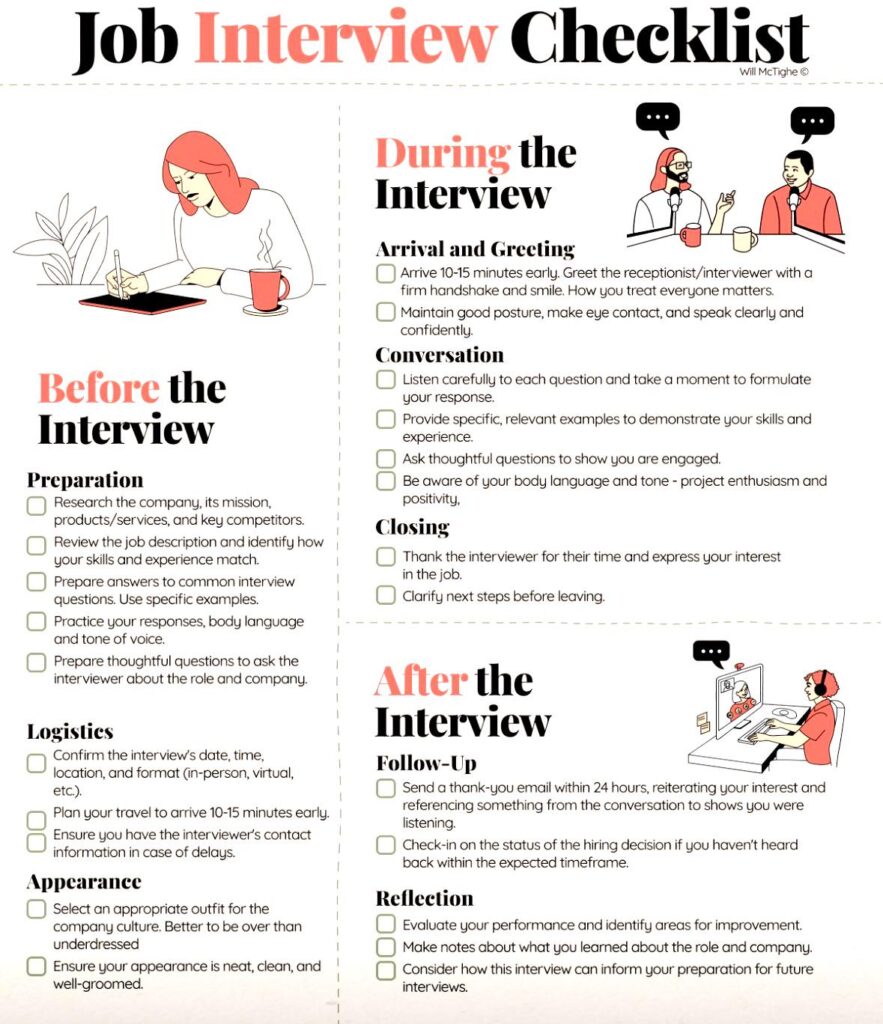
- Prepare a short, honest answer about your conviction that focuses on what you have done since. Our job interview checklist covers the rest of your preparation.
- Apply in person where you can, and use family, friends and job fairs for leads.
Questions about felon friendly jobs
What is the best job a felon can get?
The best options are usually skilled trades such as welding, electrical work, plumbing and HVAC, or commercial driving, because they pay more over time and are judged on skill. Check your state’s licensing rules first, and look for union apprenticeships or reentry training programmes that take people with records.
Does Amazon hire felons?
Amazon appears on most lists of companies that hire felons, including the flyer on this page, but it does not publish a list of the convictions it accepts. Warehouse roles and delivery work through Amazon Flex both involve a background check, so read the job posting and be ready to explain your record if asked.
What state is most felon friendly?
No official ranking exists. The National Employment Law Project lists 15 states whose ban the box laws cover private employers, including California, Illinois, New Jersey and Washington, and these tend to give people with records the strongest protection when applying for jobs.
What is the Federal Bonding Program?
It is a free Department of Labor scheme that insures an employer against theft or dishonesty by a new employee with a record, with bonds of $5,000 to $25,000 for the first six months. Ask for it at an American Job Center and tell employers about it when you apply.
Can an employer refuse to hire you because of a felony?
Often yes, but not always. Private employers in states and cities with fair chance laws must wait until later in the process to check, and some of those laws require the employer to judge the conviction against the actual job and give you a chance to respond before withdrawing an offer. Federal agencies and contractors cannot ask until after a conditional offer.
Sources
- CareerOneStop, US Department of Labor, Who hires people with a record?
- Internal Revenue Service, Work Opportunity Tax Credit
- US Department of Labor, Work Opportunity Tax Credit
- The Federal Bonding Program, Frequently asked questions
- National Employment Law Project, Ban the Box, state and local guide
- US Equal Employment Opportunity Commission, EEOC votes to rescind enforcement guidance on arrest and conviction records (October 2026)
- FDIC, Section 19 of the Federal Deposit Insurance Act
- HHS Office of Inspector General, Exclusions
- National Inventory of Collateral Consequences of Conviction, Search by state
- Shannon et al., The Growth, Scope, and Spatial Distribution of People With Felony Records in the United States, 1948 to 2010, Demography (2017)
- US District Court, Northern District of Illinois, List of Felon Friendly Employers (PDF)
- Wikipedia, Sprint Corporation