


Psychology
Relationship Psychology Infographic, Nine Theories Explained
Each comes from named researchers between the 1950s and 1990s.
This section covers how people think and react, including cognitive biases, logical fallacies, learning styles, trauma responses and theories of relationships. Every page defines each term on the graphic in plain words and says where the research supports it and where it does not. Start with 12 logical fallacies in debate, 24 cognitive biases in decision making, the 7 learning styles and what the research says, the fight, flight, freeze and fawn responses or the FLICC techniques of science denial. None of these pages is a substitute for professional help.
Each comes from named researchers between the 1950s and 1990s.
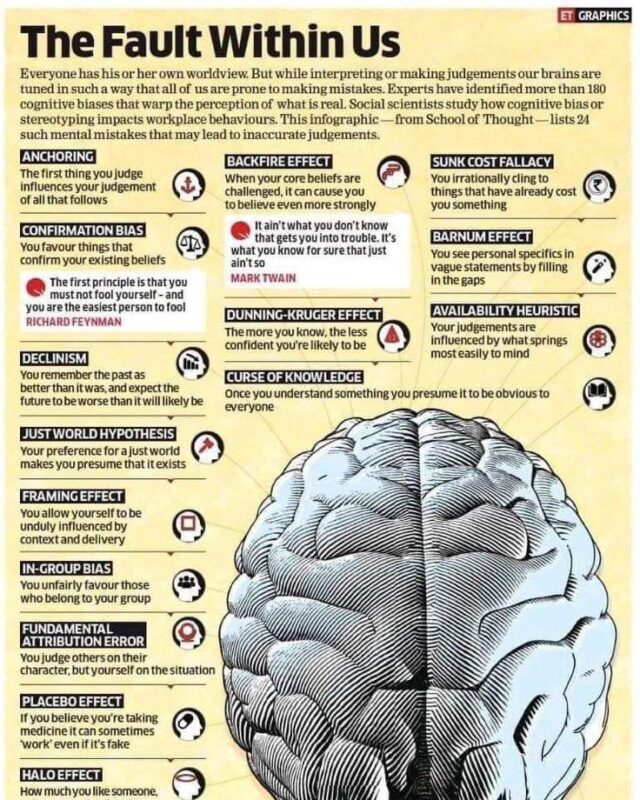
Researchers have named more than 180, but a couple of dozen do most of the damage in everyday decisions, from anchoring and confirmation bias to the sunk…

The 12 you are most likely to meet in a debate are hasty generalization, red herring, slippery slope, genetic fallacy, circular argument, ad populum, straw…

The five techniques of science denial are fake experts, logical fallacies, impossible expectations, cherry picking and conspiracy theories, known by the…
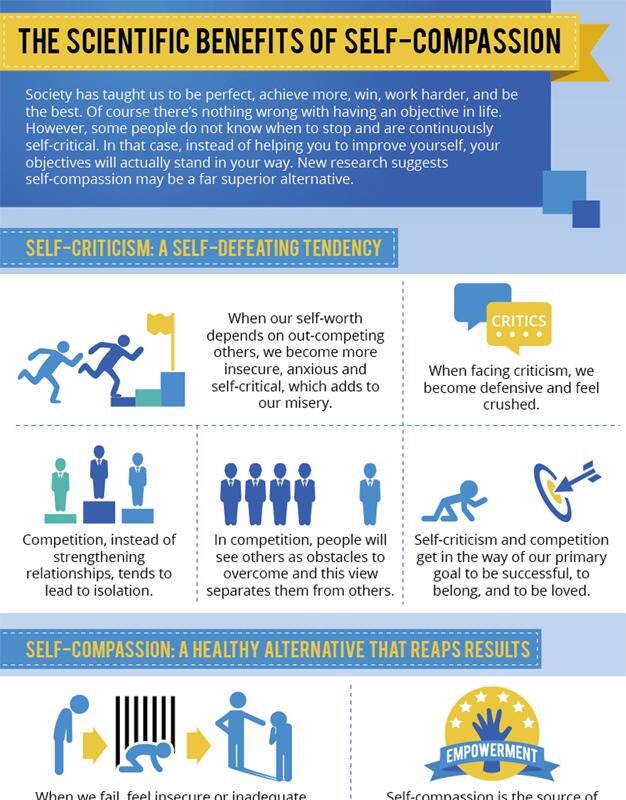
The benefits of self-compassion, according to research, include fewer mental health problems, higher wellbeing and life satisfaction, a calmer response to…

The 4F trauma personality types are fight, flight, freeze and fawn, from psychotherapist Pete Walker's model of complex PTSD.
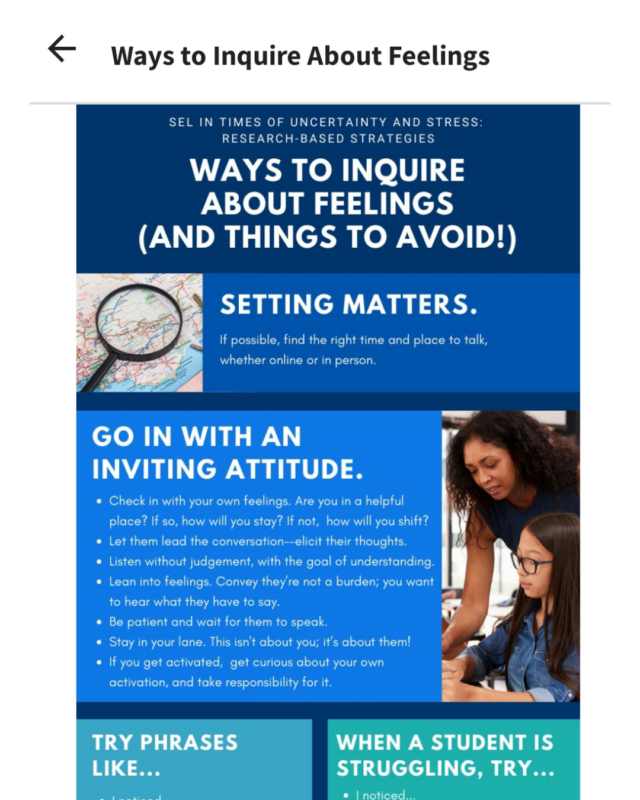
To inquire about someone's feelings, choose a calm moment, check you are in the right frame of mind yourself, and ask an open question such as "How are you…
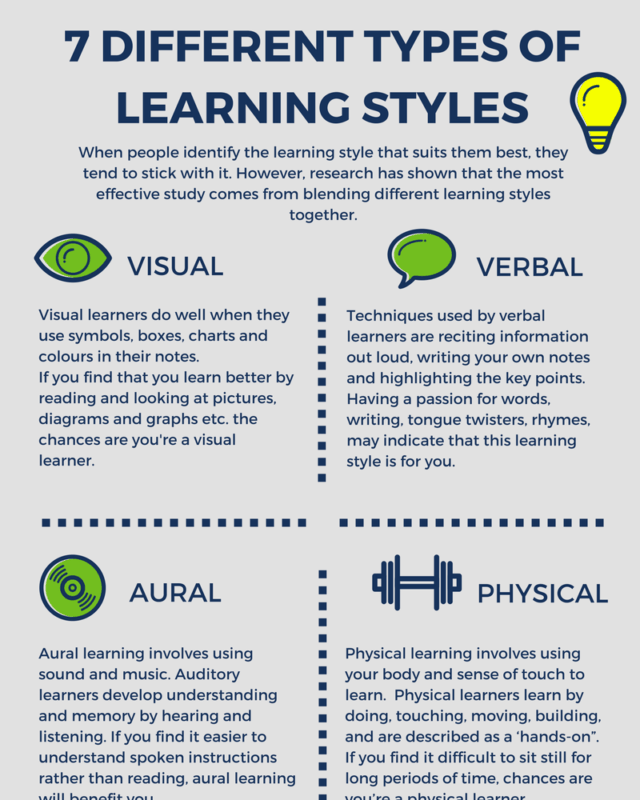
The 7 learning styles are visual, verbal, aural, physical, logical, social and solitary.
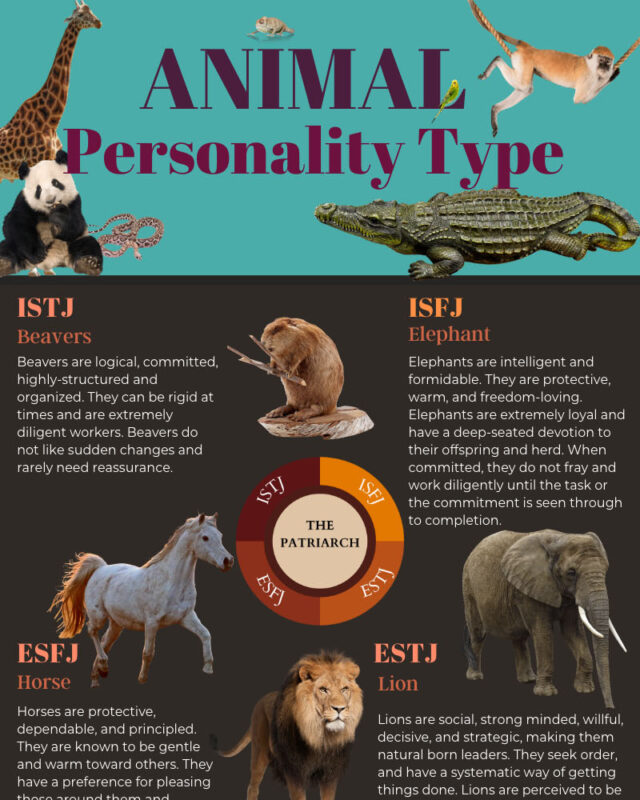
MBTI animals match each of the 16 Myers-Briggs types to an animal with similar traits.
Give it a permanent page where people looking for your subject find it, with your name and a link to your site. Content marketers, agencies, designers and researchers all list here.